
Field Notes
One camera, two cameras, or a modular rig?
A practical field guide to choosing a carry system around the way you actually photograph.
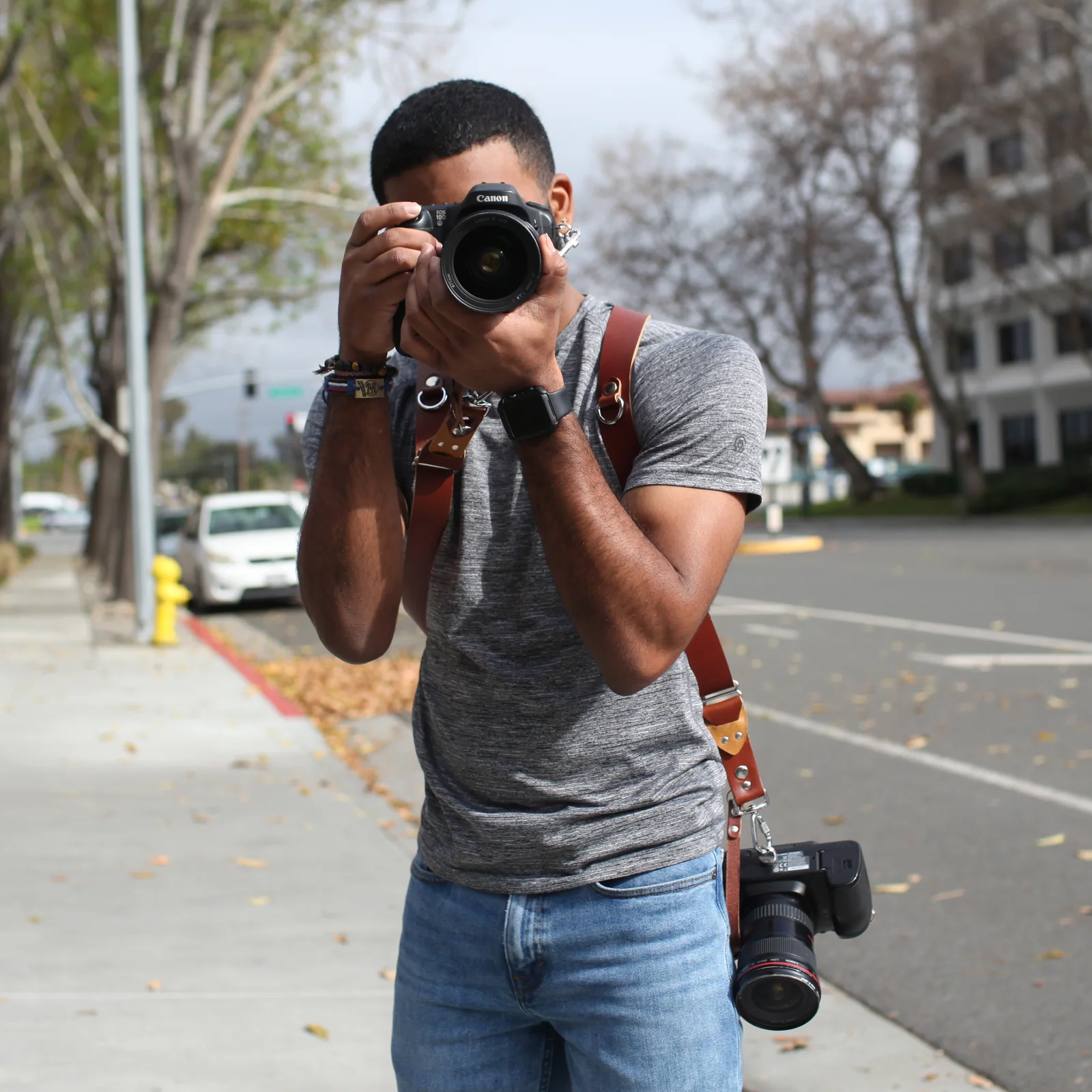
A good camera harness should disappear into the assignment. The right starting point is not the largest setup or the longest feature list. It is the number of cameras you need ready, how often you change lenses, and how freely you need to move.
Start with one ready camera
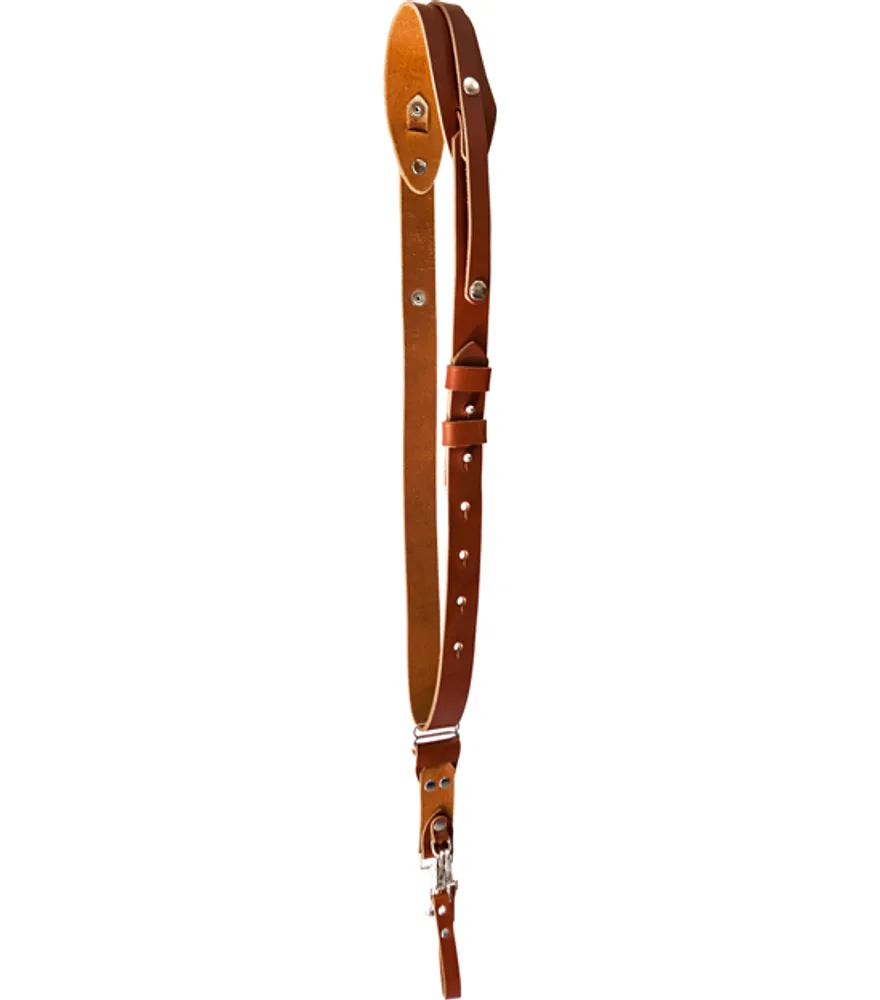
If you work with one primary body and prefer a light footprint, begin with a single-camera system. The Andino family keeps the camera close and accessible without building a full carry system around gear you may not use.
Move to two when the moment cannot wait
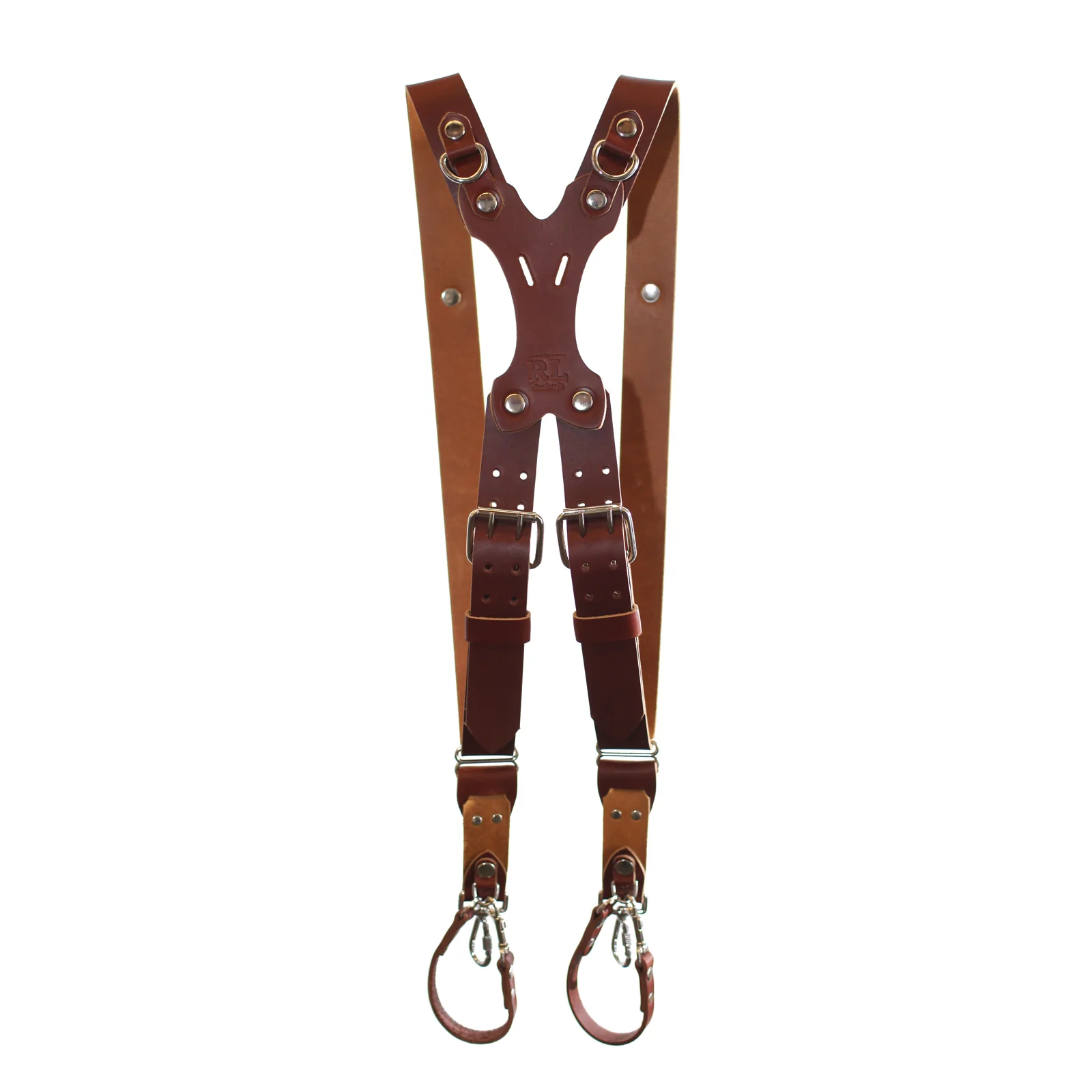
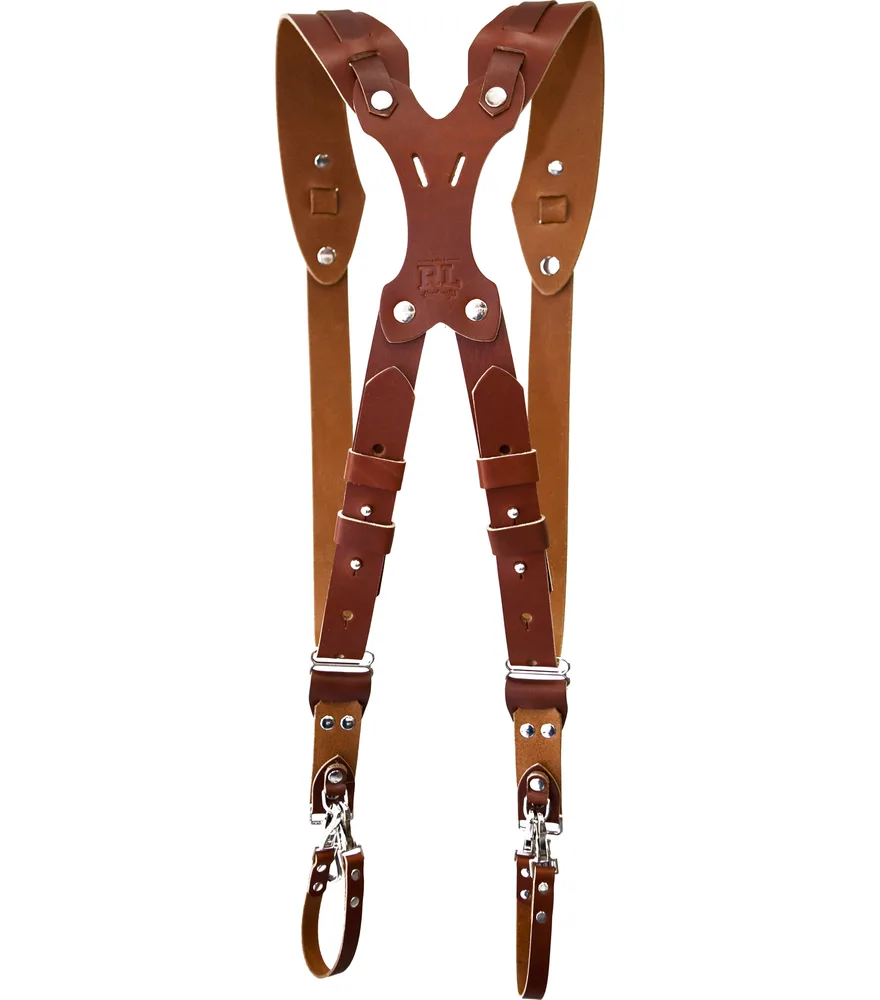
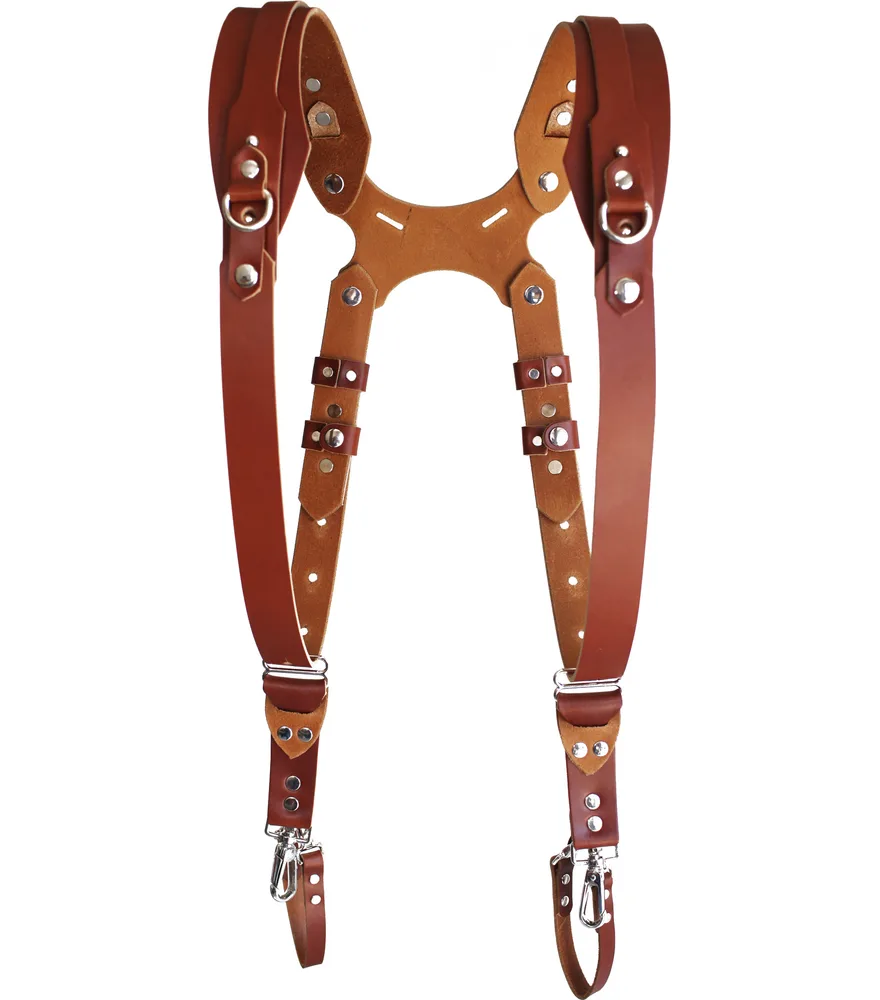
Wedding, event, and documentary photographers often need two focal lengths available at once. A dual-camera harness such as the Rebel or Clydesdale separates the load across the shoulders and keeps both cameras available without stacking neck straps.
- Choose the Rebel when you want a streamlined dual-camera carry.
- Choose the Clydesdale when balance, long assignments, and a more structured harness are the priority.
- Add security connections when the assignment or environment calls for another layer of retention.
Build modular when the assignment changes
A modular platform makes sense when your load changes from one job to the next. The Derringer is the place to start when you want room to adapt rather than committing to one permanent carry pattern.
This Journal story draws on Republic Leather’s product archive and working-photographer experience. Explore the supporting pages: